Complete AI-assisted home health documentation & insights
Apricot cuts chart time by 85% for OASIS and routine visits. Agencies accept 2x more patients while clinicians get their nights and weekends back.

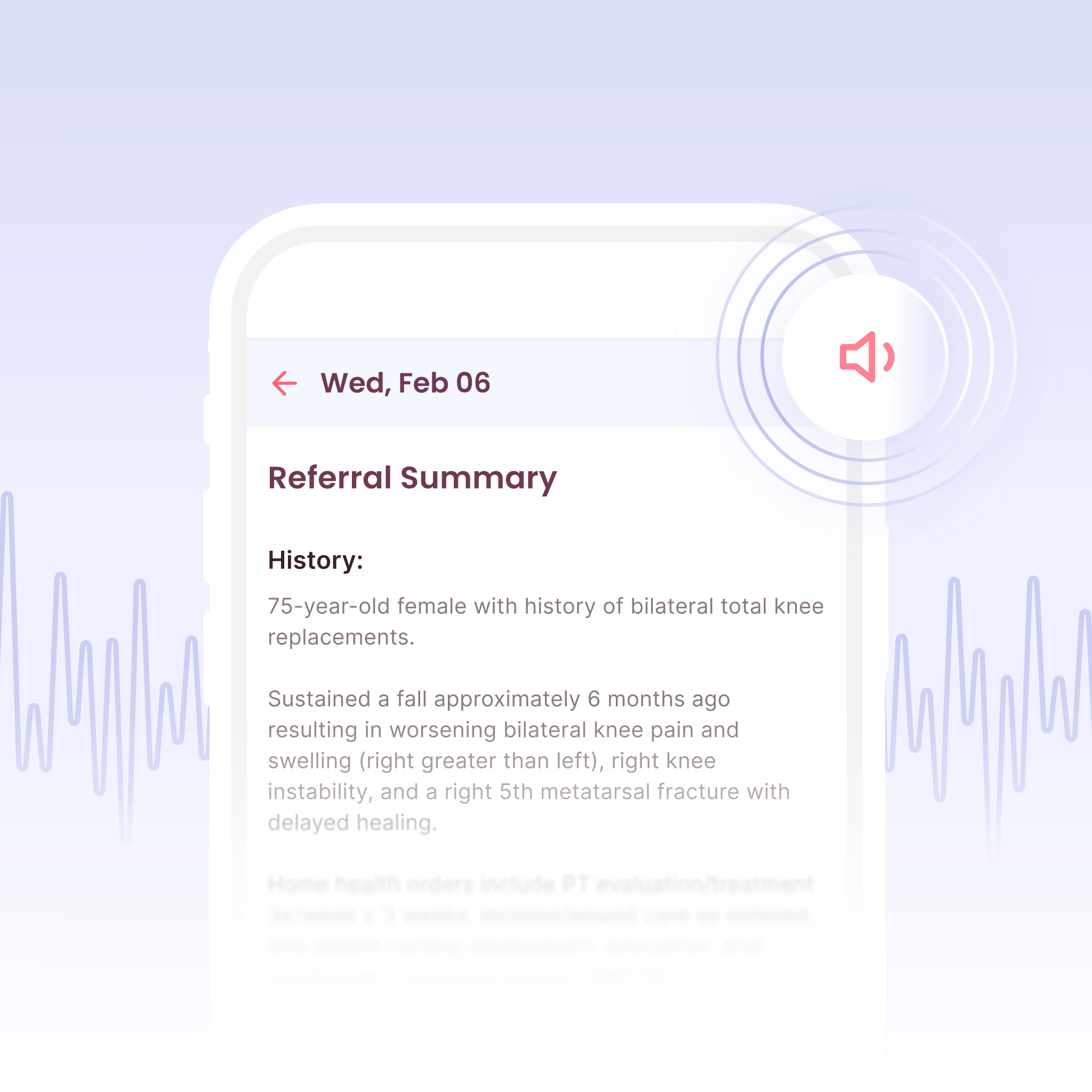
Better insights before the front door
Apricot uses artificial intelligence to surface the most important parts of the patient story from referrals and prior documentation.
AI-generated summaries of the referral and recent visits
Patient dashboard to track trends across assessments
Clinical insights flag risks for earlier intervention
The right tools at the right time
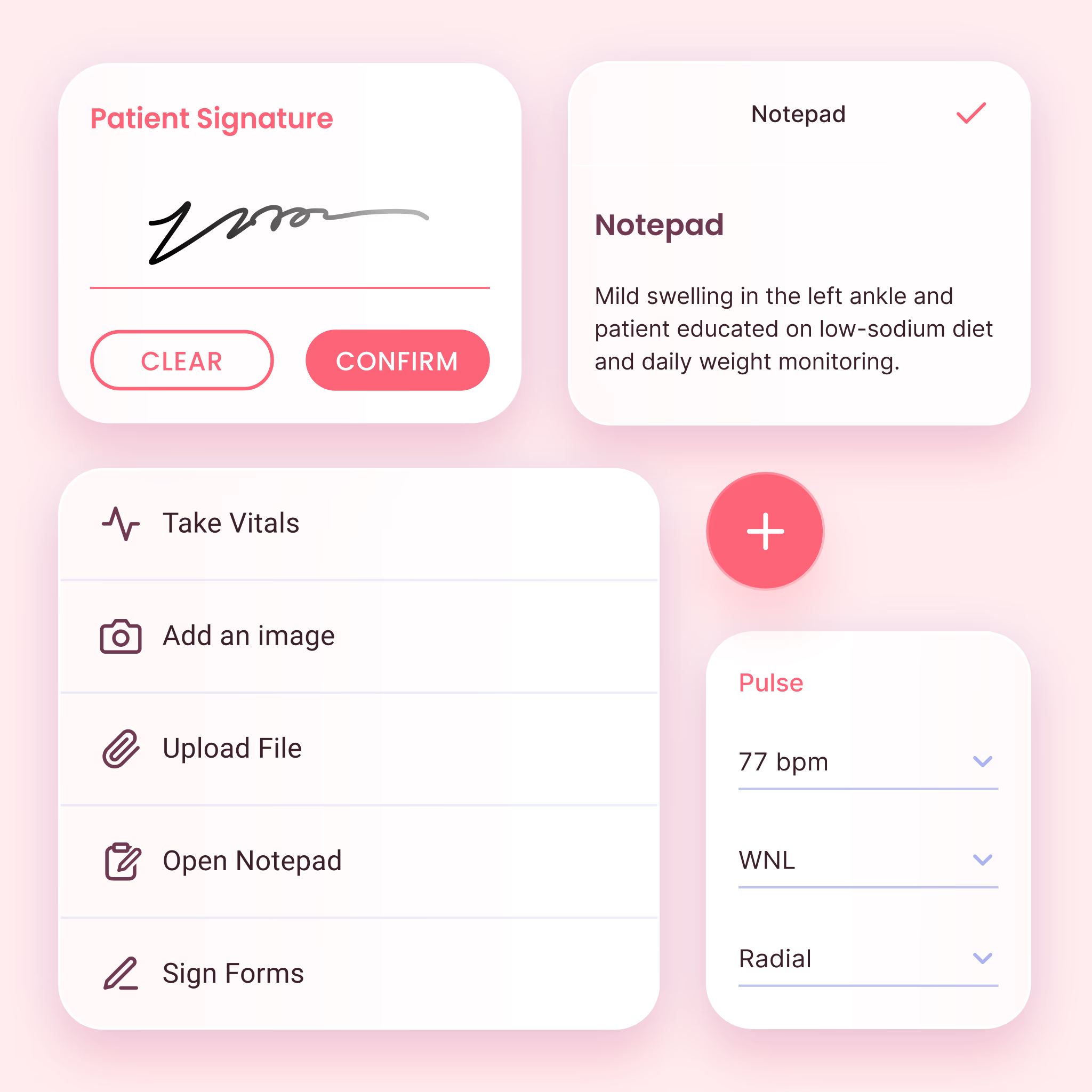
100% clinician-controlled data capture means more accurate documentation and more natural interactions during the visit.
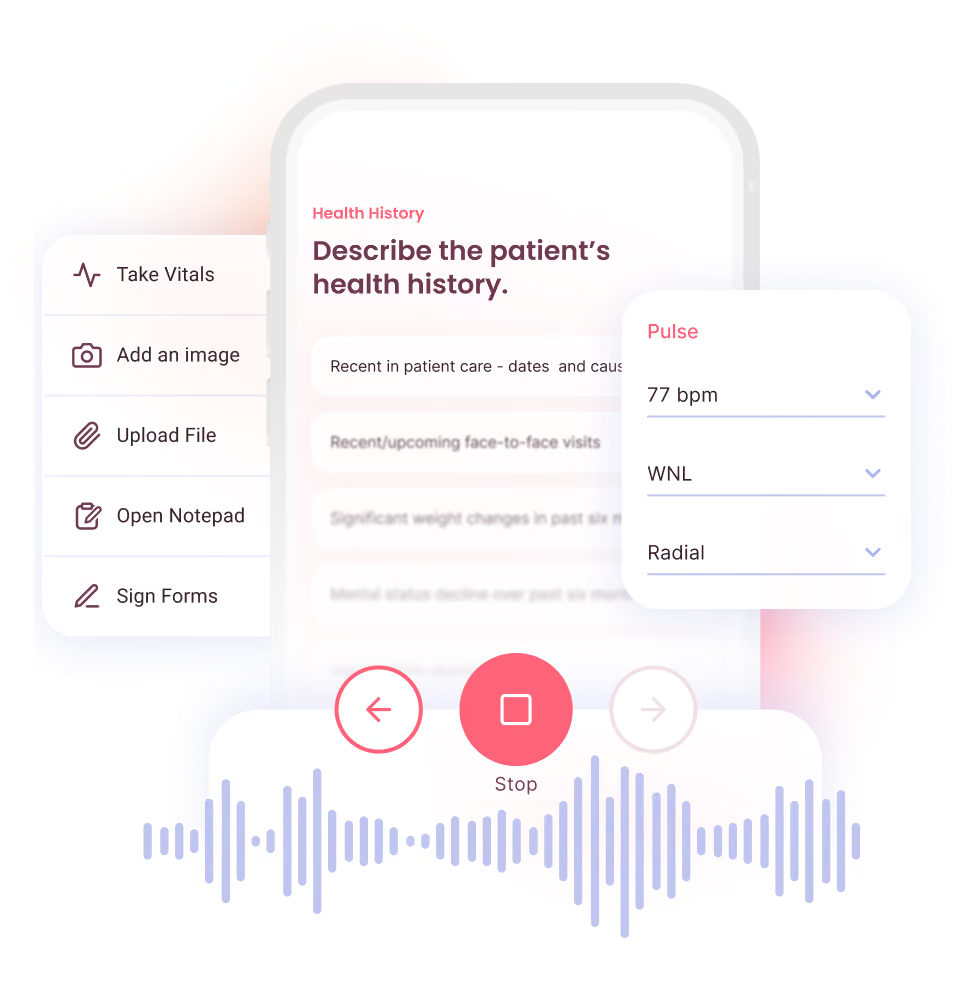
Controlled ambient recording lets clinicians talk with the patient, not at a scribe
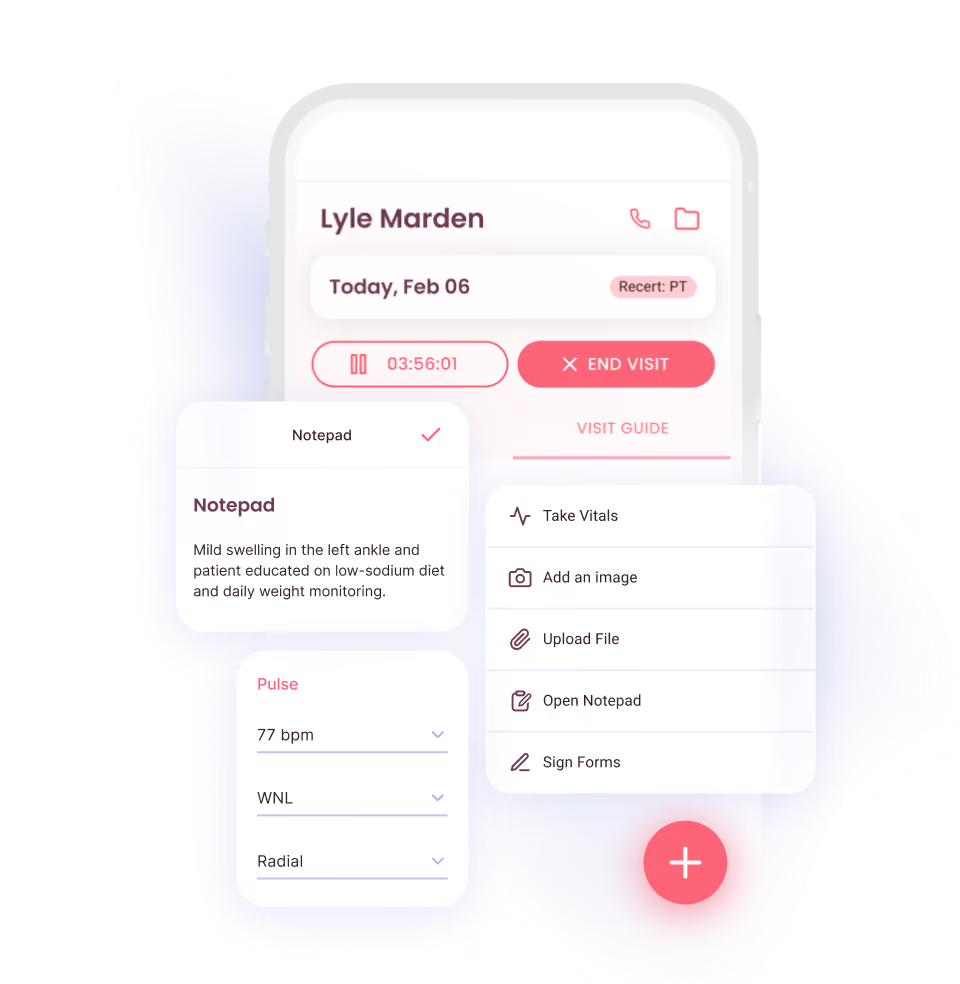
Vitals and other measures are quickly captured in the app
Photos taken in the home are uploaded for AI interpretation and documentation inclusion
Therapy-specific guidance and tools are available for RNs, PTs & other disciplines throughout the visit
Debrief before you drive away
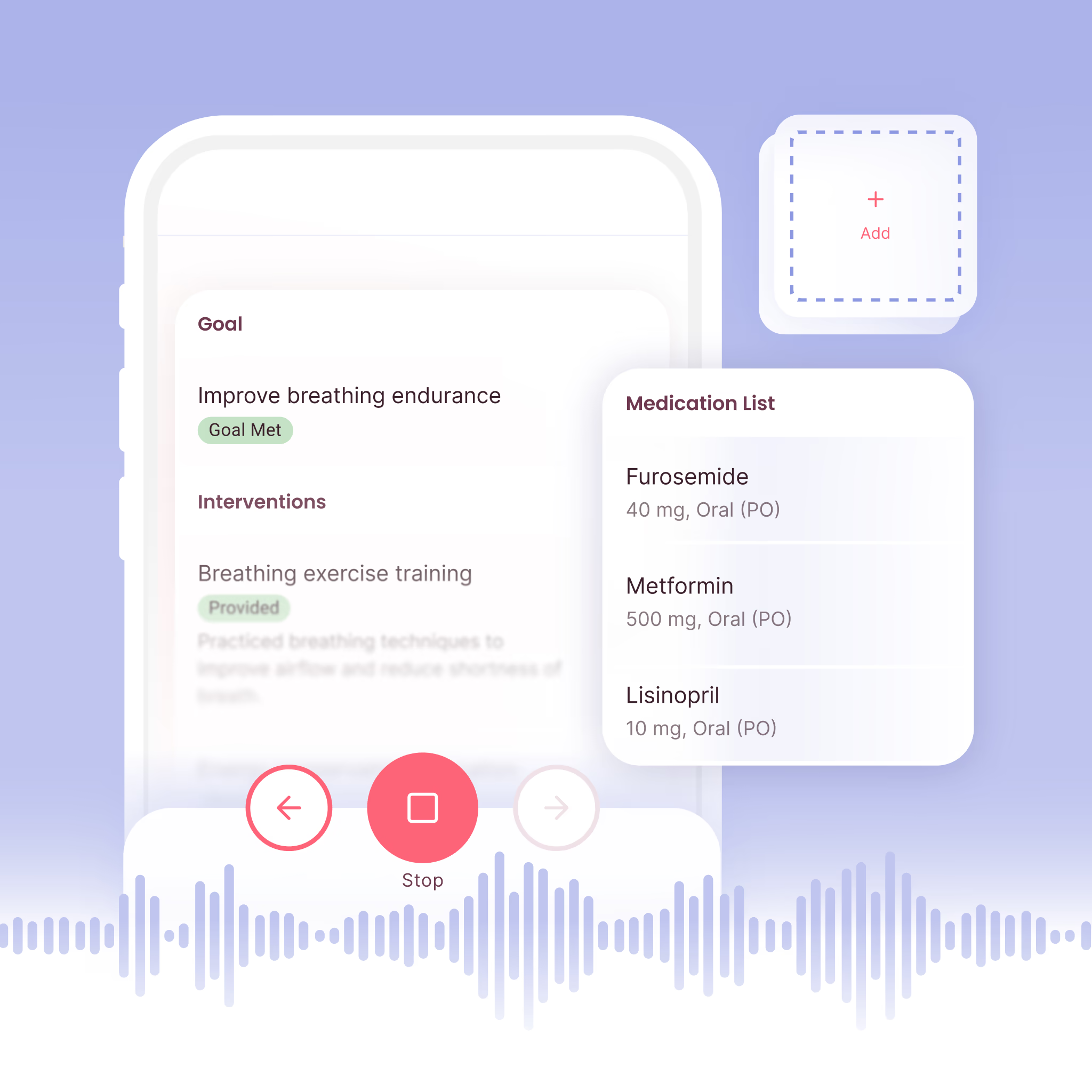
A 15-minute, structured debrief captures your clinical assessment so nothing gets missed.
No need to repeat what’s in the referral or the in-home data
Captures the story clinicians can't narrate for a scribe inside the home
Clinical judgment, coupled with your agency's templates and pathways, guides the generated output
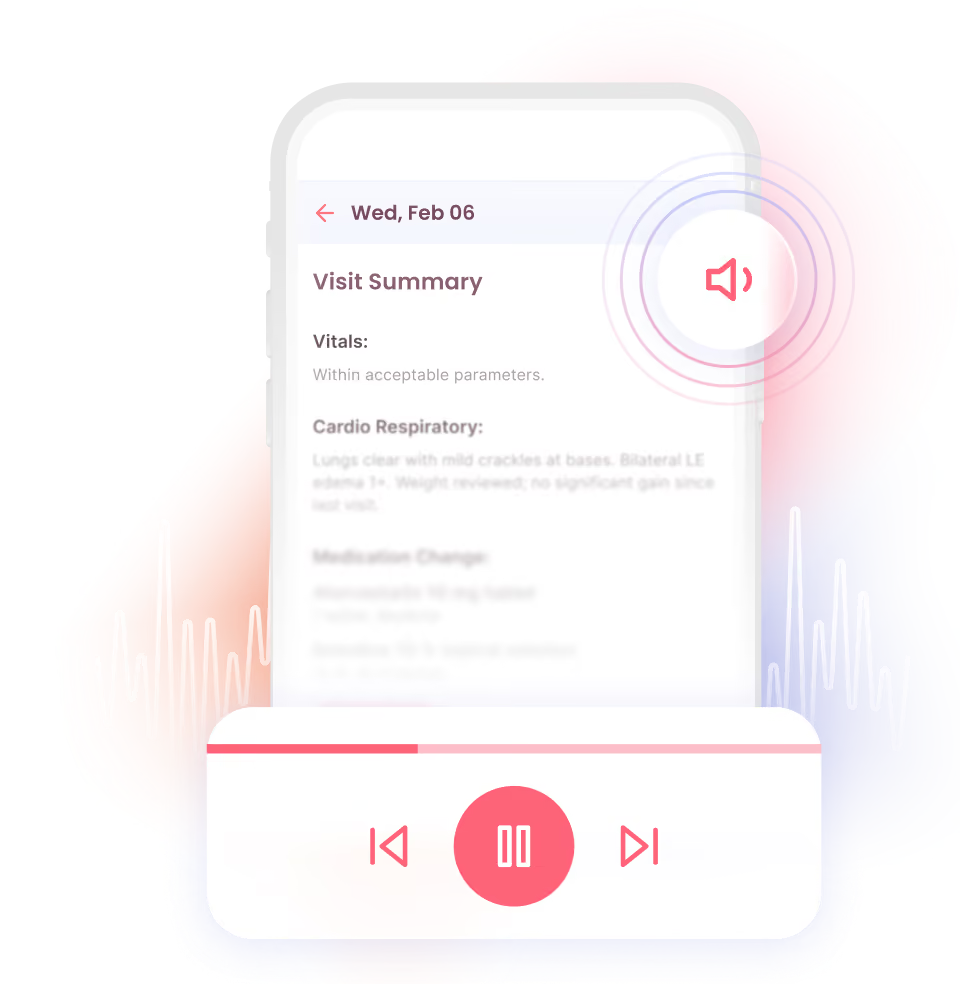
Drafted documentation is ready in minutes for a quick clinician review before syncing with your EMR
The most intuitive, all-in-one AI documentation platform for home health
Apricot is the most complete AI-powered solution for OASIS charting and routine visits
Patient & episode details
Review & update the patient record, including demographics, facilities, entitlement verification & branch-specific consent forms.
Clinical history & directives
Capture clinical context across the episode, including advance directives, vaccinations, allergies, and health history.
Medications & understanding
Reconcile medications across sources, surface interactions, and track patient and caregiver understanding.
Patient goals & context
Document patient-stated goals and comments so the care plan reflects what their priorities.
Visit time & mileage
Capture drive time, mileage, in-home time, and additional documentation time, then transfer to your EMR.
Vitals, OASIS & tailored assessments
Capture vital signs, complete OASIS & agency-specific physical assessments with exception flagging, tailored prompts & responses, and calculated scores.
Wound documentation
Cover the full wound assessment, including order association, care provided, and responses informed by the photos provided.
Skilled narrative & care delivered
Document interventions provided, goals met, and skilled care delivered in a narrative designed to support skilled need.
Care plan development
Build the 485, select episode interventions & goals, maintain the aide care plan, and generate the homebound statement.
Orders & validations
Create new orders when medications, frequencies, supplies, or wound needs change, while validating conflicts & disease-state requirements.
Supplies & equipment
Generate supplies requisitions, track supplies delivered, and add durable medical equipment to the 485 when it belongs in the plan of care.
Scheduling & coordination
Plot the calendar with all service codes, then trigger coordination notes when documentation conditions require them.
85%
less time charting
Clinicians using Apricot cut total documentation time by up to 85%.
40%
more QA productivity
QA teams review 40% more charts in the same time, with fewer revisions.
200%
more patient visits
Less time charting means more time in the home with patients.
95%
clinician agreement
Less than 5% of questions require clinician edits or completion with Apricot.
The industry's most complete documentation integration
We align to your workflows, QA standards, audit requirements, and documentation preferences while staying continuously synced as your EMR evolves. Clinicians complete documentation once in Apricot, and it arrives fully complete in the EMR with nothing left to review, edit, or finish.

Why home health teams choose Apricot
The best measure of our success is the success of our customers. Read their stories, experiences, and results.


FAQs
Explore out most frequently asked questions. If you can’t find the answer you’re looking for, we’re here for you.
Yes, freely. Clinicians review all documentation and can edit anything before it syncs to the EMR. Nothing is auto-submitted. The back office has full visibility into what was generated and what a clinician changed, and our team of clinicians and prompt engineers review edits and use them to improve Apricot's generation engine for your agency over time. Because Apricot’s answers are customized for your agency’s requirements and preferences, clinician edits inform changes to your specific instance of Apricot and you’ll never be impacted by another agency’s preferences.
Every piece of documentation goes through clinician review before it reaches the EMR. Because Apricot captures information through multiple inputs—structured in-home data capture, strategic audio, photos, and a post-visit debrief—the documentation reflects what actually happened during the visit, not just what was audible to a microphone. The clinician reviews and confirms everything before it moves forward. Because of this, QA teams improve productivity by up to 40% with Apricot.
Audio retention is configurable at the agency level. Each agency sets its own policy for how long recordings are stored, giving clinical and compliance teams control over what's retained and for how long.
Apricot is designed to surface all supportable diagnoses, not just those that come over in the referral. The coding and documentation engines are bi-directional: diagnosis intelligence informs how documentation is generated, and clinical findings from the visit inform coding. Both improve each other, so the chart reflects the full clinical picture rather than just what was documented at intake.
No. Apricot works offline, so connectivity in the home is never a barrier. The app syncs automatically when the clinician reconnects after the visit.
Give your team their time back. Because every minute spent on paperwork is a minute lost for patient care.